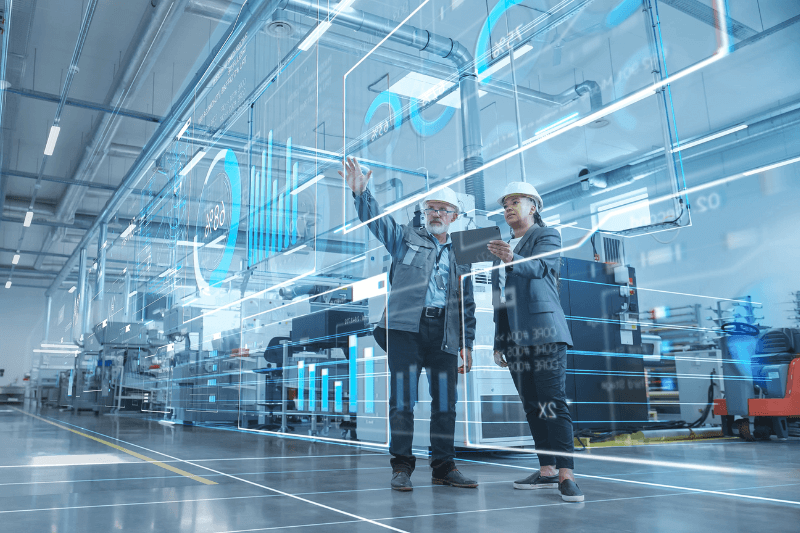
Smart Factory
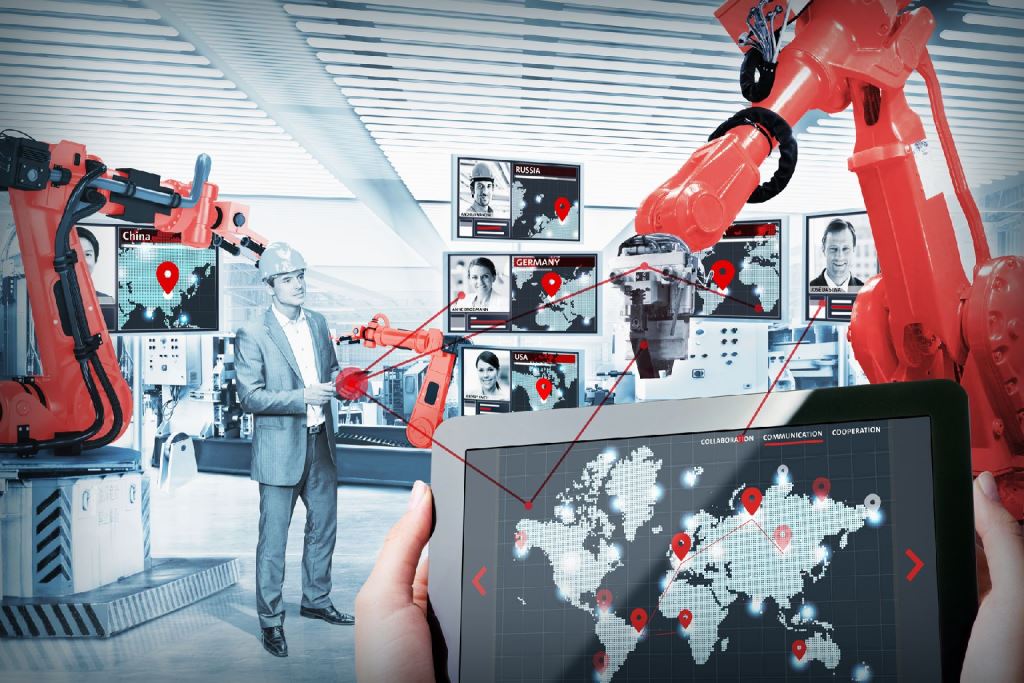
A Smart Factory is a highly digitized and connected manufacturing facility that uses advanced technologies to improve production processes. It integrates systems such as the Internet of Things (IoT), artificial intelligence (AI), robotics, and data analytics to create an intelligent, self-optimizing environment. Machines, devices, and systems communicate with each other in real time, enabling automation, monitoring, and continuous improvement without heavy human intervention..
Industry 4.0
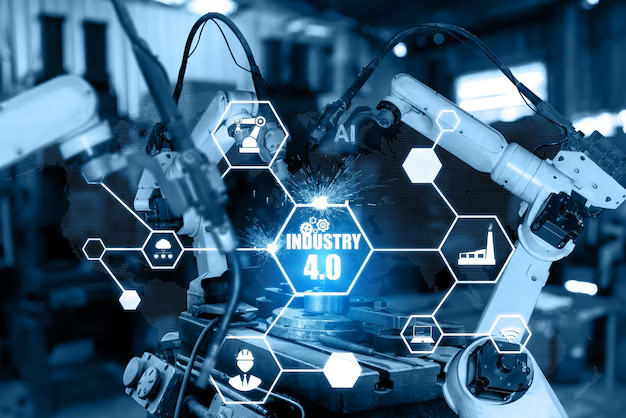
The concept of the Smart Factory originates from the idea of Industry 4.0, often referred to as the Fourth Industrial Revolution. This phase began in the early 2010s and represents a shift from traditional automation to smart, data-driven manufacturing.
- Industry 1.0: Mechanization using steam power
- Industry 2.0: Mass production with electricity
- Industry 3.0: Automation using computers and electronics
- Industry 4.0: Smart, connected systems using data and AI
Smart factories are the practical implementation of Industry 4.0 principles.
Mission
To develop an intelligent manufacturing system that leverages digital technologies to optimize operations, reduce waste, and enhance product quality.
Vision
To create a fully autonomous and adaptive factory environment where machines and systems collaborate seamlessly, enabling faster decision-making, sustainable production, and continuous innovation.
Our Key Benefits
Efficiency
Real-time monitoring and automation reduce downtime and streamline operations.
Cost Reduction
Predictive maintenance and optimized resource usage help lower operational cost.
Productivity
Faster production cycles and improved accuracy increase overall output.
Quality Improvement
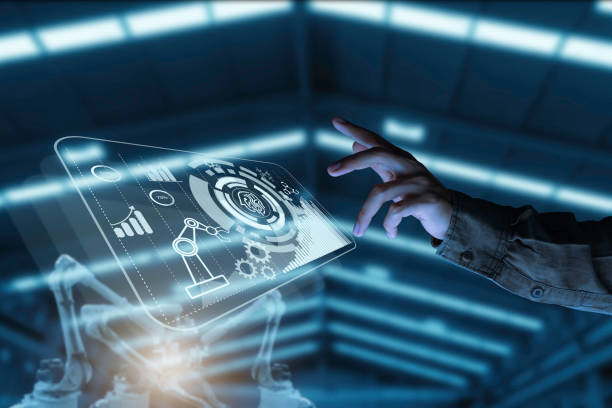
Data-driven insights ensure consistent product quality and fewer defects.